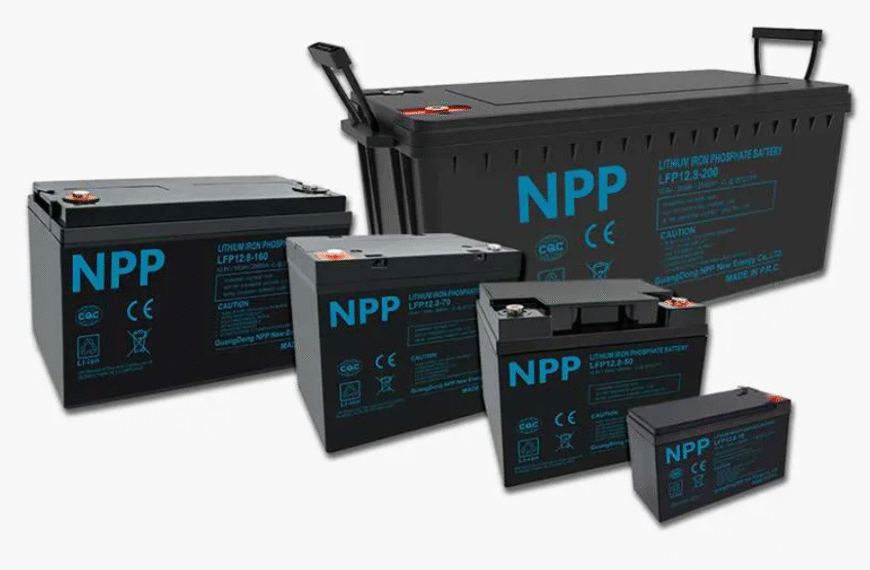
The high-impact industry opportunity brief encompasses six distinct codes, each representing a unique sector with considerable growth potential. An analysis of emerging trends reveals a shift towards sustainability and technological innovation. These factors are shaping market demands and opening new avenues for businesses. Strategic insights suggest that understanding these dynamics is essential for maintaining a competitive edge. However, the implications of these trends on operational practices remain to be explored further.
Overview of Industry Codes and Their Significance
Industry codes serve as essential tools for categorizing and analyzing sectors within the economy. Their significance lies in facilitating industry classification, enabling stakeholders to assess market dynamics accurately.
Code relevance is paramount for investors, policymakers, and researchers, as it allows for precise data comparison and trend analysis. Ultimately, these codes support informed decision-making, fostering an environment where economic freedom can thrive through targeted insights.
Emerging Trends Associated With Each Industry Code
How are emerging trends reshaping the landscape of various sectors?
Emerging technologies drive market disruptions, altering consumer behavior and prompting businesses to adopt sustainability practices.
Regulatory changes further influence operational frameworks, necessitating adaptability.
Digital transformation has become imperative, enabling industries to innovate and streamline processes.
Collectively, these trends are redefining competitive strategies, ensuring resilience and relevance in an ever-evolving marketplace.
Market Demands and Opportunities
Market demands are increasingly influenced by a confluence of consumer preferences, technological advancements, and global challenges.
This dynamic environment fosters market growth, driven by sustainability initiatives and regulatory changes.
Businesses face a competitive landscape that requires adaptive strategies to meet evolving consumer expectations.
As stakeholders prioritize ethical practices, opportunities arise for companies that align with these values while leveraging technological innovations for efficiency and impact.
Strategic Insights for Businesses to Leverage
As businesses navigate the complexities of an evolving marketplace, strategic insights become essential for capitalizing on emerging opportunities.
By focusing on operational efficiency, organizations can streamline processes and reduce costs, ultimately enhancing their competitive advantage.
Implementing data-driven decision-making and fostering innovation are vital strategies to adapt swiftly, ensuring businesses remain agile in responding to market changes while maximizing their growth potential.
Conclusion
In conclusion, the analysis of industry codes 18335282785, 1383747670, 975464907, 3852617108, 8014388316, and 18003921147 underscores the necessity for businesses to adapt to emerging trends and market demands. As the adage goes, “The early bird catches the worm,” highlighting the importance of proactive strategies in seizing growth opportunities. By prioritizing innovation and operational efficiency, stakeholders can navigate regulatory landscapes and enhance their competitive advantage, ultimately positioning themselves for sustained success in a dynamic economic environment.